
Modern life pulls us in many directions. Even with the promise of smarter technology and new wellness trends, more people report feeling stressed, scattered, and, at times, overwhelmed. The pace of change, social expectations, and constant screens leave little room for deep rest or clear purpose. In 2026, finding and keeping inner balance is no longer seen as a luxury. For many, it is becoming a quiet anchor—a personal skill that makes all the difference.
Inner balance is not about escaping, but engaging with life with clarity and calm.
Why inner balance matters now more than ever
We see clear signs that pressure is rising. Recent findings show 79% of Gen Z workers say stress impacts their focus, motivation, and decision-making. While this data spotlights one group, we believe these numbers echo a much wider reality. When stress becomes the default state, it shapes choices, relationships, and even physical health. We risk becoming less present for our families, less creative at work, and less tuned in to ourselves.
But it is not all negative. We have also learned from decades of studying human behavior that balance is possible, even in fast-paced settings. It starts with recognizing that inner steadiness is not about controlling what happens outside, but building what happens inside.
Understanding the roots: What keeps us off balance?
Before naming effective strategies for balance, we need to be honest with ourselves about what gets in the way. Through our experiences, we see these patterns most often:
- Constant distraction—notifications, urgent emails, and always-on news
- Unclear boundaries—between work and home, rest and action, self and others
- Emotional overload—carrying worry, fear, or resentment without pause
- Disconnection—from our own needs, from supportive relationships, from meaning
Most imbalance is not caused by one “big” stressor, but the slow build-up of small moments ignored.
With that in mind, we focus less on chasing “solutions” and more on practicing daily actions that restore us.
Real strategies for building inner balance in 2026
Through years of working with people who seek stable, meaningful change, we see that sustainable strategies share a few qualities. They are simple, repeatable, and invite both awareness and action. Here are practical methods that work now, and will continue to work in 2026.
1. Practicing conscious pauses
It might sound simple, but structured pauses throughout the day are more powerful than most realize. We set a timer or use daily transitions—before breakfast, during commute, after meetings—to check in.
- Breathe deeply for three rounds, noticing air moving in and out
- Name aloud a current feeling—no judgment, just naming
- Notice body tension and gently relax the shoulders or hands
A conscious pause is a small reset that shifts us from autopilot to presence.
2. Boundary rituals
In our digital world, boundaries are blurred. We benefit from rituals that mark the start and end of work, screen time, or even social interactions. For example, we power down devices, light a candle, go for a five-minute walk, or close a notebook and say, “I’m finished for now.”
We have learned that rituals—no matter how small—signal to our brain and emotions that it is time to change focus. This allows us to truly rest when resting, and engage more fully when working.
3. Emotional literacy practice
We do not gain balance by pushing emotions aside. Instead, we recommend setting aside a few minutes daily or weekly to journal or voice record: “How am I feeling? Why? What do I need right now?” These are not quick fixes, but a way to reconnect with ourselves.
When we name emotions and their causes, we gradually learn how our moods affect behavior and thinking. This opens the door to wiser choices and less reactivity.
Inner balance grows from the habit of noticing emotions and tending to them with respect.
4. One meaningful connection a day
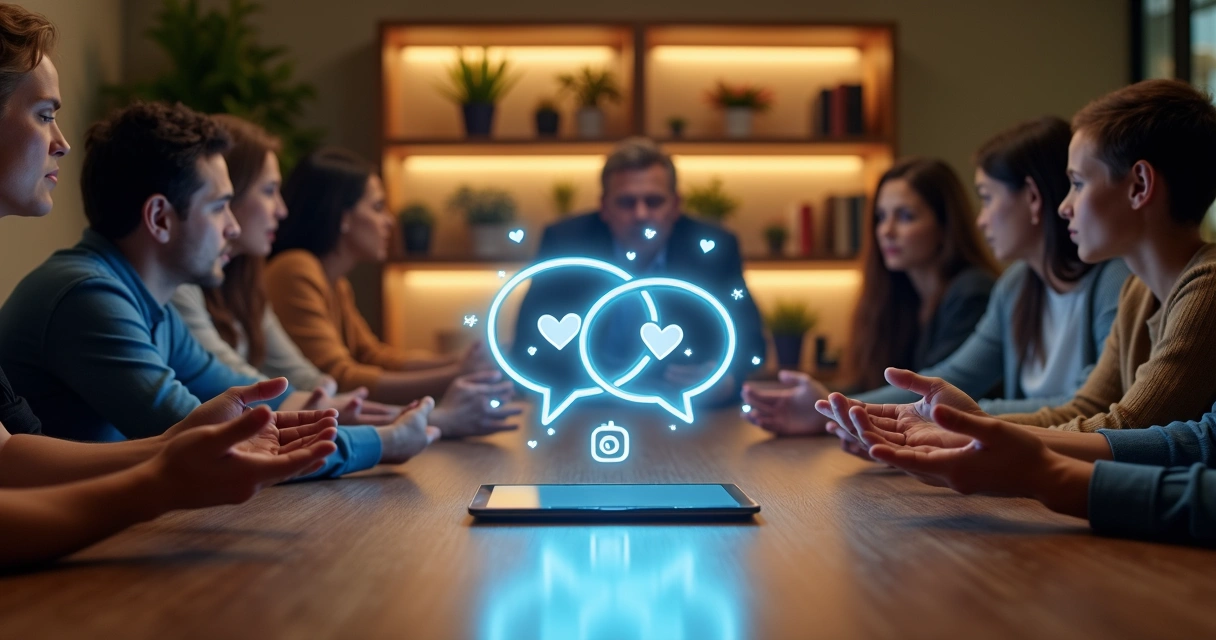
Social connection is a strong protective factor against stress overload. It does not require hours. Sometimes a five-minute call or sharing a coffee with a neighbor is enough. Some days, we suggest sending an uplifting message or simply sitting together in comfortable silence.
- Short phone calls to check in on friends or family
- Lunch shared without screens with a colleague
- Listening to a child’s story without interrupting
We find that nurturing these small, real moments changes our mood and reminds us we are not alone.
5. Moving with intention
We do not see movement as a chore, but as an act of care for the body and mind. In 2026, more people use technology to support quick movement breaks, but the basics have not changed:
- Short walks in nature or around the block
- Gentle stretching between tasks
- A few minutes dancing to music at home
We recommend choosing a style that feels enjoyable, not forced. The goal is not to “exercise” perfectly, but to refresh energy and mood through movement.

6. Practicing gratitude and vision
Ending each day with a gratitude practice changes our lens, especially after long or tough days. Before sleep, we write or speak three things that brought some good—big or small—and set an intention for tomorrow. This anchors us in what we have, rather than what we lack.
Gratitude is a doorway to inner peace.
How to start: Small changes, real results
One mistake we see is trying to do everything at once and losing patience. We encourage starting with one or two habits from this list and adding more only when the first ones begin to feel natural. Consistency trumps intensity.
Some people prefer structure—a set morning routine. Others prefer a flexible rhythm, adjusting as needed each day. The main thing is to keep returning to what steadies you, especially when things feel unpredictable.
Balance is built moment by moment, not all at once.
Conclusion: Inner balance as a living process
Inner balance in modern life is not a final destination. It is a daily commitment to awareness, honest emotion, supportive ritual, and connection. We find that balance grows not from absence of stress, but from our willingness to meet stress with new tools and deeper self-understanding.
As we step further into 2026, returning to these strategies—conscious pauses, clear boundaries, emotional honesty, simple movement, and gratitude—offers us a way to remain steady. They are not escapes from the world, but ways to show up in it with more presence and peace.
Frequently asked questions
What is inner balance in modern life?
Inner balance means staying calm, clear, and centered, no matter what happens around us. It is the ability to manage emotions, make choices that match our values, and return to a steady state after stress or confusion. In modern life, this often looks like setting boundaries, noticing feelings, and maintaining practices that help us feel grounded and well-connected to ourselves and others.
How can I find inner balance daily?
We find that the best way is to choose a few simple habits such as pausing to breathe, journaling about feelings, taking a short walk, or ending the day with gratitude. By repeating small actions every day, even when life is busy, we gently train our minds and bodies to return to calm. The goal is not perfection, but a steady effort to notice what brings us back to our center.
What are the best strategies for 2026?
For 2026, we see that practical strategies continue to be conscious pauses during the day, clear boundary-setting rituals, regular movement, simple gratitude practices, and honest emotional check-ins. These habits do not require expensive tools or lots of time. Their strength is in their repeatability and their focus on what is within our control, making them strong allies in a fast-changing world.
Is inner balance worth it for stress?
Yes, building inner balance proves to lower the impact of stress and even changes how we react when pressure rises. When we hold balance, we feel more able to pause before reacting, choose helpful responses, and recover faster after challenges. We also tend to have stronger relationships and clearer thinking, leading to better well-being overall.
Where to learn mindfulness techniques in 2026?
In 2026, mindfulness practices are widely taught both in person and online, through guided audio, video programs, or local community workshops. Libraries, schools, and many workplaces offer resources or classes as part of well-being programs. If you are interested, try searching for local events, checking with trusted health professionals, or exploring digital mindfulness guides that fit your needs and schedule.