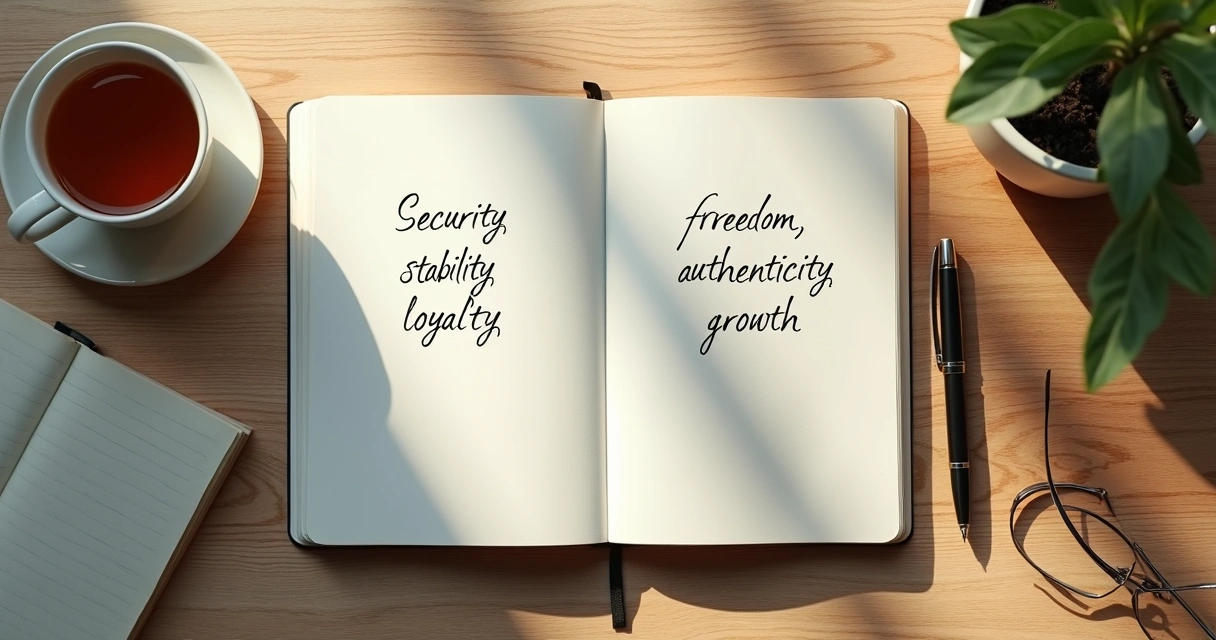

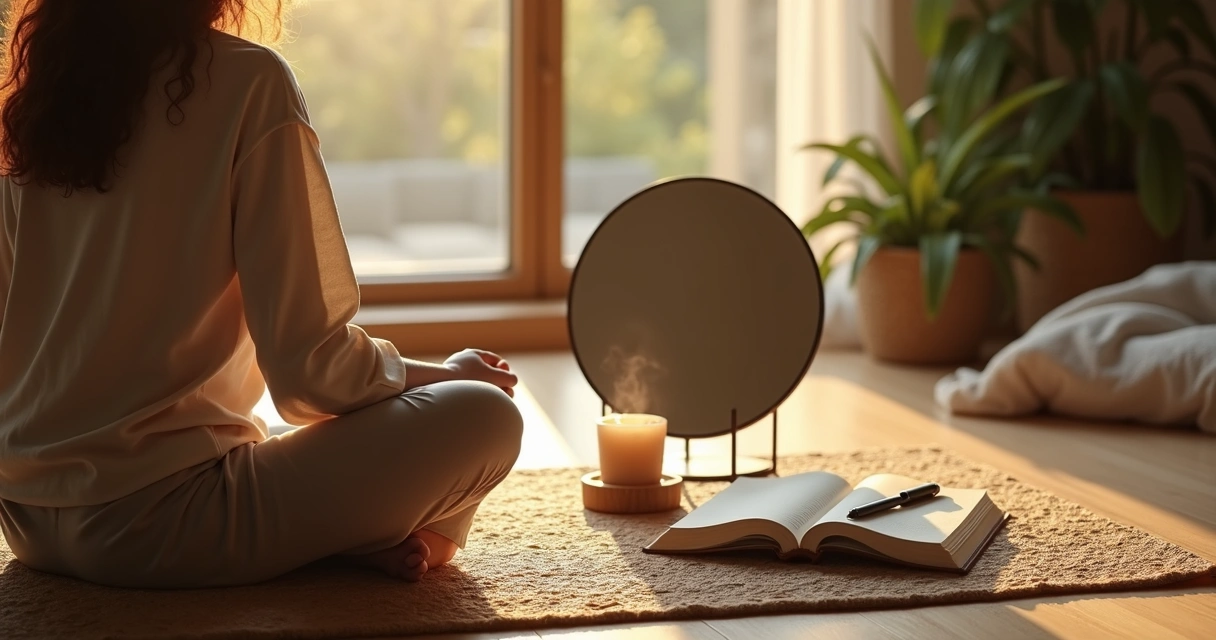
We often decide to change in a clear moment. We say we will be calmer, more honest, more consistent, more present. Then the day begins. Messages arrive. Stress rises. Old reactions return. Intention stays in the mind, but behavior follows the older path.
That gap is common. It does not mean we are weak. It means inner change needs structure. Personal rituals help turn a private intention into a repeated lived action.
A ritual is not empty repetition. It is a conscious act that gives shape to a value. It tells the body, the mind, and our attention, “This matters now.” In our experience, people change more steadily when they stop relying only on motivation and start creating moments that organize their choices.
We have seen this in simple scenes. A person wants to speak with more patience at home. Instead of hoping to “do better,” they pause at the door for one full breath before entering. Another wants to stop reactive spending. Before buying anything non-planned, they write the reason on paper and wait ten minutes. Small acts. Clear direction. Real effect.
Ritual gives intention a place to live.
Why rituals support behavior change
Many behavior changes fail because they remain abstract. We may value discipline, honesty, or emotional balance, but values alone do not always interrupt automatic patterns. Rituals create interruption. They slow the usual flow just enough for choice to appear.
There is also a psychological gain in repeated symbolic action. Research on ritualistic actions before consumption showed that ritual can increase enjoyment and perceived value. We think this points to something broader. When we repeat meaningful actions around a goal, the goal feels more concrete, more worthy of care, and easier to sustain in behavior.
Rituals work because they connect meaning, attention, and action in one moment.
That connection matters when we are changing behavior that has emotional roots. If we only tell ourselves what to do, we stay in the mental layer. If we create a ritual, we include the body, the environment, and time. This makes change less fragile.
What makes a ritual personal
A personal ritual is not about copying a trend. It should fit our real life, our values, and the behavior we want to reshape. A useful ritual is usually simple enough to repeat and clear enough to guide action.
We can test a ritual by asking whether it includes these features:
- A defined moment, such as waking up, starting work, entering home, or ending the day.
- A visible action, such as writing, breathing, walking, lighting a candle, or reviewing one sentence.
- A linked intention, stated in plain words.
- A behavioral direction, showing what we will do differently after the ritual.
Without these elements, a ritual can become vague. With them, it becomes a bridge.
For example, if we want to reduce defensiveness in conversations, the ritual should not be “be wiser.” It can be: sit down before the meeting, place both feet on the floor, breathe for thirty seconds, and repeat, “I will listen before I explain.” That is specific. It can shape behavior.
How to build a ritual that changes behavior
We do not need a long routine. We need a repeatable one. A good ritual is often short enough to survive busy days.
We suggest building it in sequence:
- Choose one behavior change only. Do not begin with five at once.
- Name the intention behind it. Ask what value this behavior should express.
- Pick a stable cue in the day. Time, place, or event can work.
- Select one or two physical actions that mark the moment.
- Add one sentence that guides conduct.
- Repeat for at least two weeks before judging it.
This process works well because it removes confusion. If our intention is inner steadiness, but the ritual is rushed and inconsistent, the structure fights the goal. The form should support the meaning.
We also find that writing the ritual in one line helps. “Before opening my laptop, I breathe three times and write the one behavior I will protect today.” That line can live on a card, mirror, desk, or phone background.
Examples for daily life
Different goals call for different rituals. The tone should match the kind of change we want.
Here are a few patterns that can work well:
- For emotional regulation: pause before key transitions, breathe slowly, and name the state we want to bring into the next setting.
- For healthier communication: review one listening sentence before hard conversations.
- For consistent self-care: prepare water, clothes, or materials the night before as a closing ritual.
- For spending awareness: check a written buying rule before any impulse purchase.
- For digital balance: place the phone in a fixed spot and begin the morning with one offline act.
One person we observed wanted to stop carrying work tension into dinner. Their ritual lasted less than two minutes. They washed their hands slowly, loosened their shoulders, and asked, “How do I want others to feel around me tonight?” The ritual did not erase stress. But it changed the entry point. Over time, it changed the evening.
The best ritual is not the most impressive one. It is the one we can keep with honesty.

Common mistakes that weaken rituals
Some rituals fail not because rituals do not work, but because the design is poor. We have seen a few recurring mistakes:
- Making the ritual too long for real life.
- Attaching one ritual to too many goals.
- Using words that sound noble but do not guide action.
- Expecting immediate emotional relief every time.
- Abandoning the ritual after one imperfect day.
There is another mistake that is easy to miss. Sometimes we create a ritual to feel aligned, but we avoid the behavior that should follow it. In that case, the ritual becomes performance for ourselves. It feels good, yet changes little. The answer is not to reject ritual. It is to tighten the link between the act and the conduct that comes next.
Conclusion
Personal rituals help us bring intention out of theory and into lived behavior. They give shape to values, support emotional regulation, and create a pause where choice becomes possible. This is how inner direction starts to appear in ordinary actions, not only in reflective moments.
We think lasting change grows from repeated acts that are small, clear, and sincere. A ritual will not do the work for us. Still, it can hold the work in place. When we repeat a meaningful action in the same context, we train coherence. We stop asking change to appear by force, and we begin giving it form.
Change becomes stable when intention enters routine.
Frequently asked questions
What is a personal ritual?
A personal ritual is a repeated action with meaning. It is done on purpose, often at a set moment, to support a value or guide a behavior. A ritual is more than a habit because it carries conscious intention.
How to create an intention ritual?
We can create an intention ritual by choosing one goal, linking it to a daily cue, and adding a small physical act plus a guiding sentence. For example, before starting work, we may sit upright, breathe three times, and say, “Today I will respond with clarity.” Keep it short so it can last.
Why use rituals for behavior change?
Rituals help behavior change because they interrupt automatic patterns and create a moment for conscious choice. They also add meaning to repetition, which makes the new behavior easier to value and repeat over time.
What are examples of daily rituals?
Daily rituals can include morning journaling, a pause before meals, a breath before entering home, reviewing one value before meetings, or a short evening reflection. These acts are simple, but they can help us align behavior with intention during the day.
How do rituals help build new habits?
Rituals help build new habits by pairing a clear cue with a repeated action and a specific meaning. Over time, this repetition reduces confusion and strengthens consistency. The ritual becomes a stable entry point for the new behavior we want to practice.