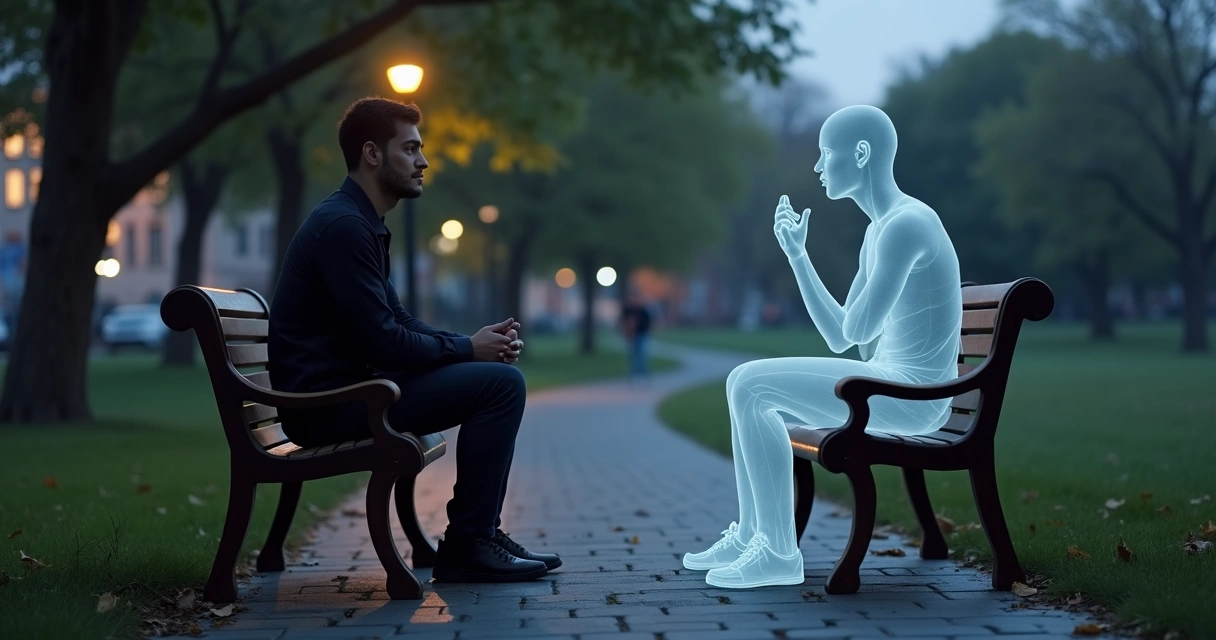


We like to think of empathy as steady. Fair. The same for everyone. But in real life, it rarely works that way.
We may feel deep concern for one person and almost nothing for another, even when both are in pain. That contrast can be hard to admit. It can also teach us a lot.
Selective empathy is the tendency to feel more compassion for some people than for others.
In our experience, this does not always come from cruelty. Often, it comes from habit, identity, fear, memory, and the stories we carry about who deserves care. Still, if we never question it, selective empathy can shape our choices in ways that feel moral while staying very narrow.
We once saw this in a simple scene. A person spoke gently to a close friend who had made a mistake. Later that same day, they judged a stranger harshly for a similar error. The facts were close. The emotional response was not. That is how selective empathy often appears. Quietly.
Why empathy becomes selective
Empathy is not only a feeling. It is also filtered perception. We do not respond to pain in a vacuum. We respond through beliefs, group ties, personal history, and social distance.
We tend to feel more for people we see as familiar, similar, or morally understandable.
This pattern has been discussed in research on selective empathy theory, which points to moral frames, group identity, and social context as forces that shape emotional response. In plain terms, our compassion is often guided by how we classify people before we even notice that we are doing it.
Some common filters include:
- Similarity in values, background, or life story
- Shared group identity, such as family, nation, class, or belief
- Moral judgment about whether the person “caused” their pain
- Personal fatigue, stress, or emotional overload
- Social status and power differences
When several of these filters combine, empathy can become very uneven. We may call one person wounded and another weak. One person complex and another irresponsible. The emotional gap grows from there.
Compassion follows perception.
How power changes compassion
Not all selective empathy comes from dislike. Sometimes it comes from distance. The more power, control, or status we feel, the easier it can become to disconnect from another person’s distress.
A study from the University of Amsterdam found that people with higher social power showed less distress and compassion when facing another person’s suffering. This does not mean every person in authority lacks care. It means position can shape sensitivity.
We see this often in daily life. A manager may speak about a problem as a metric, while the worker lives it as fear. A parent may call a child dramatic, forgetting how large pain feels when one has less control. Power can reduce contact with vulnerability, and with that, emotional resonance may shrink.
The more removed we feel from another person’s risk, the less instinctive our compassion may become.

Signs we may be showing selective empathy
Selective empathy is not always easy to spot from the inside. We usually explain our reactions as reasonable. That is why patterns matter more than isolated moments.
We may be showing selective empathy when we notice that we:
- Excuse harmful behavior in people we like, but condemn it in people we dislike
- Feel tenderness for pain we recognize, but impatience with pain we do not understand
- Offer context for our group, but demand accountability from others only
- Listen carefully to some stories, while dismissing others very fast
- Show public concern for suffering, yet stay cold in private relationships
These patterns do not prove bad character. They reveal unfinished inner work. We all have blind spots. The issue begins when we defend them as truth.
Sometimes we also confuse empathy with agreement. If we cannot agree with someone, we stop trying to understand their pain. That makes compassion conditional. It becomes a reward, not a human response.
What selective empathy can hide
Under selective empathy, there is often a protected fear. We may fear being wrong about someone. We may fear losing status in our group. We may fear seeing ourselves in the person we judge.
That last one can sting.
We have seen people react hardest to traits they secretly fight in themselves. The lazy person they condemn may reflect their own exhaustion. The needy person may reflect a part of them they never learned to hold with care. In that sense, selective empathy is sometimes a defense against inner discomfort.
When compassion shuts down too fast, it often points to a story inside us that needs attention.
This is why self-observation matters. Not self-blame. Observation. We do not grow by calling ourselves terrible. We grow by seeing the pattern clearly enough to interrupt it.
How to widen compassion without becoming naive
Universal empathy does not mean approving every action. It does not mean removing boundaries. It means refusing to let bias decide who counts as fully human in our emotional world.
We can build broader compassion through steady practices:
-
Name the difference in your reactions. Ask who receives your softness and who receives your suspicion.
-
Separate understanding from approval. We can understand pain without excusing harm.
-
Notice your moral shortcuts. Ask whether you are reacting to facts or to a label.
-
Reduce distance. Real contact weakens many false assumptions.
-
Pause before judgment. A short pause often reveals hidden bias.
This kind of work is not dramatic. It is slow. Sometimes uncomfortable. Yet it leads to a more stable form of compassion, one that does not disappear the moment a person feels unfamiliar.
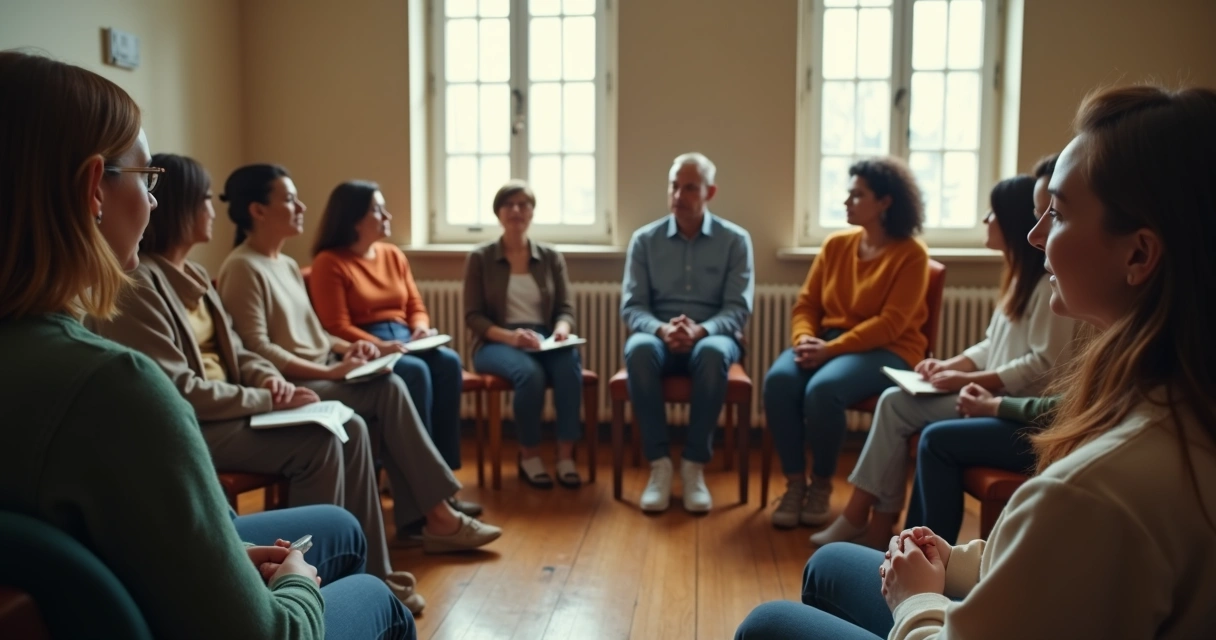
When compassion becomes more honest
We do not become more humane by feeling intensely for a few people. We become more humane when our care is less ruled by preference, image, and identity.
That does not mean we will feel the same level of emotion for everyone. Human response is not mechanical. But we can become more consistent, more aware, and less ruled by narrow loyalty.
One honest question can open that path: Who is hard for us to feel with, and why? If we stay with that question long enough, we often learn something true about our values, our wounds, and our limits.
Selective empathy is not the end of compassion. It is often the beginning of deeper maturity, if we are willing to face it.
Frequently asked questions
What is selective empathy?
Selective empathy is the pattern of feeling compassion more easily for some people than for others. This usually happens because of familiarity, shared identity, moral judgment, personal history, or social distance.
How can I spot selective empathy?
We can spot it by comparing our reactions. If we forgive one person quickly but judge another harshly for similar behavior, or if we care more when pain feels close to our own life, selective empathy may be active.
Why is my empathy not consistent?
Empathy is shaped by many filters, including stress, values, bias, fear, and power. It is not always stable because we do not meet every person from the same inner state or with the same assumptions.
How to develop more universal empathy?
We can build broader empathy by slowing judgment, questioning labels, listening to unfamiliar experiences, and separating understanding from agreement. Consistent reflection helps compassion become less reactive and more grounded.
Is selective empathy a bad thing?
Selective empathy is not automatically bad, because it is a common human pattern. It becomes harmful when we refuse to see it, justify unfairness through it, or let it decide whose pain matters.